All Categories
Featured

Is Your Asset Standards Optimized by 2026?
Table of Contents
04 Occupant Experience Expectations and Digital Service Need Commercial and residential occupants in 2026 anticipate digital-first service experiences online submission, real-time status updates, and resolution verification as standard functionality, not a premium offering. Residence that still accept maintenance demands by phone or e-mail and provide no status presence are losing renters to competitors who have actually purchased service experience technology.
This fragmentation makes portfolio-level KPI reporting difficult without manual information assembly and presents costly reconciliation mistakes in supplier payment and service warranty tracking workflows. To see how a connected platform eliminates this problem, let's see it live a 30-minute demonstration covers the full integration architecture. OxMaint brings work orders, preventive maintenance, possession tracking, supplier management, and analytics together in one platform offering home and center teams the functional intelligence to work smarter, lower expenses, and provide much better occupant experiences.
Center management is a more comprehensive discipline that encompasses upkeep plus space planning, resident services, work environment experience, sustainability management, and tactical possession planning. Maintenance management is generally a core operational function within facility management instead of a different discipline. ROI is normally calculated throughout 4 value dimensions: labor expense decrease from enhanced scheduling and decreased overtime; emergency repair work expense decrease from higher PM compliance rates; contractor cost savings from enhanced supplier management and competitive bidding; and earnings security from reduced tenant disagreements, lease defaults, and job brought on by upkeep failures.
Crucial Asset Management Systems for Professional Operations
Market finest practice targets a PM compliance rate the portion of scheduled preventive upkeep jobs finished on time of 95 percent or higher. A rate listed below 85 percent shows a structural imbalance between PM volume and readily available labor, and normally correlates with rising emergency repair work rates as deferred preventive work converts to reactive failures.
Priority task should be imposed through the CMMS to avoid top priority inflation, where regular demands are labeled urgent to get faster attention. The minimum practical information structure includes a total property register with installation dates and specifications, a minimum of 12 months of historical work order information, present supplier agreements and contact details, and appropriate regulatory assessment records.
Information quality and efficiency regularly show more essential than raw data volume in identifying CMMS efficiency.
Optimizing Portfolio-Wide Efficiency among Asset Managers
Property upkeep in 2026 is having its own glow-up. If upkeep still feels like a series of emergencies rather of a plan, the year ahead will feel longer than it needs to.
This blog describes proven residential or commercial property maintenance methods that preserve value, minimize risk, and keep your rental running efficiently throughout the year. Secret TakeawaysPreventive maintenance in 2026 costs less than reactive repair work. Maintenance planning has a direct effect on compliance, liability, and occupant retention. Structured systems regularly outshine last-minute fixes. You run in a rental environment where small problems escalate rapidly.
When you treat upkeep as a tactical concern, you reduce threat, support costs, and protect your financial investment in the long term. Reactive upkeep waits for issues to appear.
By devoting to a preventive method, you minimize the likelihood of emergencies, support repair work costs, and keep your home operating without constant interruption. Occupant expectations have evolved substantially.
Postponed repair work or repeating concerns quickly wear down trust and boost problems. Satisfying maintenance expectations regularly leads to smoother communication and longer occupancies. When renters feel heard and supported, they are more likely to renew their leases and take care of the residential or commercial property. Upkeep responsiveness has actually turned into one of the strongest influences on tenant complete satisfaction in 2026.
Top Strategies of Grounds Portfolio Management
Habitability standards, safety requirements, and local building codes are actively imposed in lots of markets. Stopping working to address upkeep issues can cause violations, charges, or disputes. Proactive maintenance assists you stay lined up with developing regulations. Regular checks on smoke detectors, structural integrity, pipes systems, and electrical components minimize direct exposure to compliance risks.
Deferred maintenance typically does not show immediate damage, however its long-term effect can be considerable. Properties that get constant maintenance keep stronger resale appeal and command much better pricing over time.
Commercial Landscape MaintenanceSeasonal shifts continue to impact structure systems in meaningful methods. Temperature level modifications tension HVAC systems, heavy rain tests roofing and drainage, and chillier months stress plumbing infrastructure. Seasonal upkeep checklists help you prepare for potential concerns before they emerge. Examining systems at the correct time decreases emergency calls and safeguards major elements.
Reliable vendors are a critical part of reliable maintenance management. Relied on vendors comprehend your residential or commercial property standards and expectations.
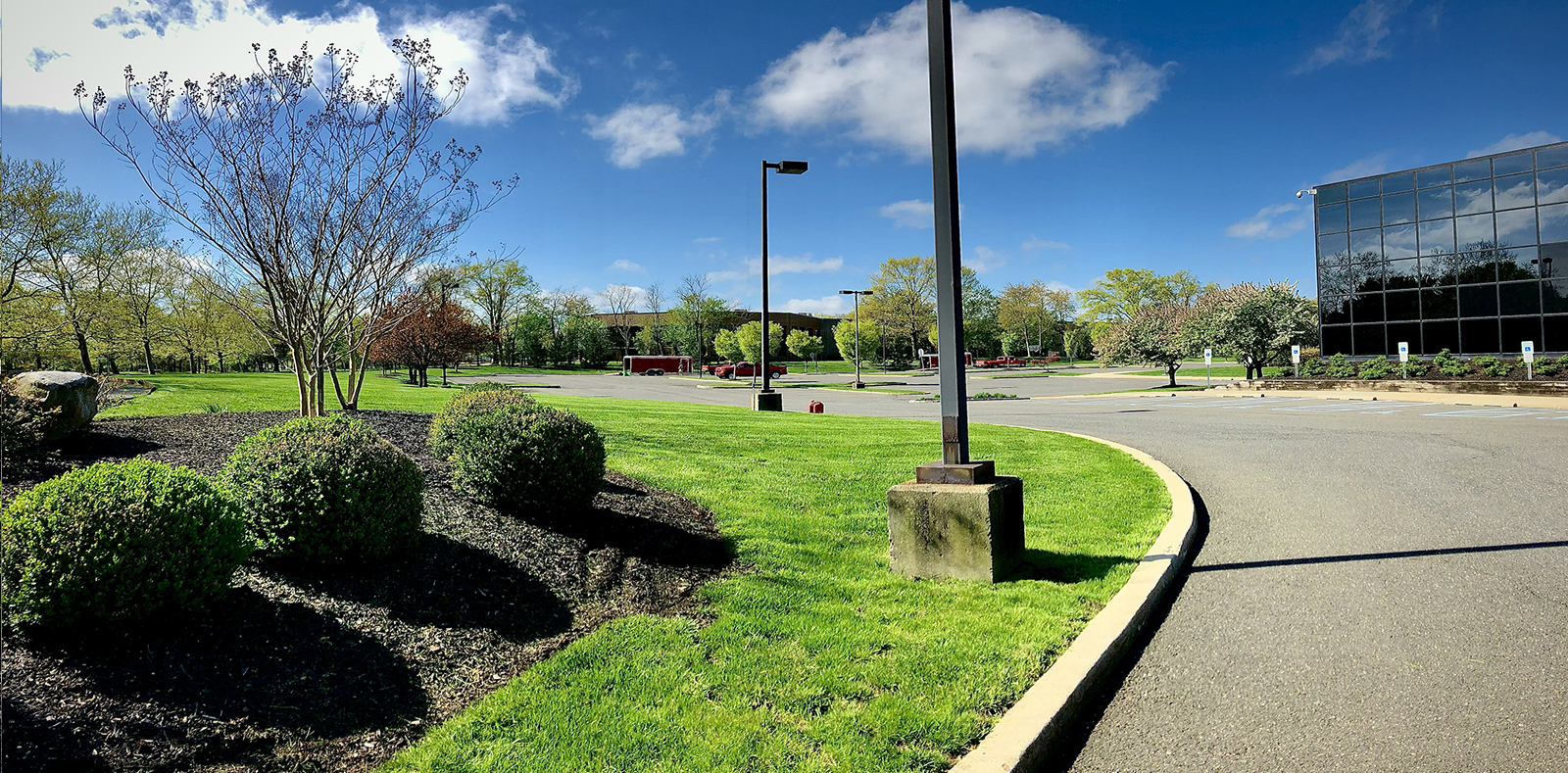
Managing Corporate Park Grounds in 2026
Documentation safeguards you throughout examinations, disputes, and insurance coverage claims by demonstrating consistent care and attention to detail. Clear records likewise improve decision-making. Repair histories help identify repeating concerns and guide replacement preparation. In 2026, organized documents is not optional. It is a core operational tool. Digital maintenance platforms have actually changed how upkeep is tracked and managed.
Technology lowers missed jobs and interaction gaps. When upkeep processes are streamlined, problems are resolved quicker and with less mistakes. Modern tools bring structure to what would otherwise be a complicated workflow. Even with preventive planning, emergencies can still occur. What matters is how ready you are to react. Clear procedures decrease damage and limitation downtime when urgent issues arise.
Structure makes sure quick action and minimizes disruption throughout high-stress scenarios. Upkeep quality has a considerable influence on whether occupants remain or leave. Properly maintained residential or commercial properties produce self-confidence and comfort. Poor maintenance drives turnover. Retention conserves money by decreasing job durations, marketing costs, and renting efforts. Constant maintenance supports steady tenancy and long-lasting efficiency.

Routine evaluations determine issues early. Recorded repair work histories offer clarity. Maintenance diligence demonstrates responsibility and minimizes liability direct exposure.
Upkeep is a crucial part of risk management. Without systems, maintenance demands continuous attention. How often should preventive upkeep inspections be set up in 2026?

Latest Posts
Reducing Common Area Maintenance Costs Using Smart Planning

Optimizing Multi-Site Operations for Regional Managers
Streamlined Operations Strategies for Broad Portfolios